Last Updated on March 16, 2026
Natural allergy relief is something many people start searching for when their body suddenly feels more reactive than it used to and over-the-counter medications only seem to manage symptoms temporarily.
Maybe your sinuses are constantly congested, your skin becomes itchy or irritated, you feel bloated after certain foods, or you notice reactions to environmental triggers that never used to bother you.
I see this pattern all the time with my clients.
Someone comes in thinking they’ve suddenly developed random sensitivities. Their allergies feel worse every year, they experience headaches after certain foods, or they feel inflamed and reactive for no obvious reason.
Often the missing piece is histamine.
Histamine plays a central role in allergic reactions, and when histamine levels build up faster than the body can break them down, symptoms can appear throughout the body.
If you’re not sure whether histamine may be contributing to what you’re experiencing, start by reviewing this list of histamine allergy symptoms.
In this article, I’ll explain natural strategies that may help support the body’s ability to regulate histamine and reduce allergy symptoms.
Table of Contents
- Why Allergies Happen
- The Role of Histamine in Allergy Symptoms
- Natural Allergy Relief Strategies
- Foods That May Help Reduce Histamine Reactions
- Supporting the Body Long Term
Why Allergies Happen
Allergies occur when the immune system reacts strongly to substances that are normally harmless.
Common triggers include pollen, dust, certain foods, animal dander, or environmental irritants.
When the immune system detects these triggers, it releases inflammatory chemicals designed to defend the body.
One of the primary chemicals involved in this process is histamine.
Histamine helps coordinate immune responses, but when histamine levels become excessive or cannot be cleared efficiently, symptoms such as congestion, itching, rashes, headaches, inflammation, and digestive discomfort can appear.
The Role of Histamine in Allergy Symptoms
Histamine is released by immune cells called mast cells during allergic reactions.
When mast cells release histamine, several things happen in the body:
- Blood vessels dilate
- Inflammation increases
- Mucus production increases
- Nerve endings become more sensitive
These reactions help the immune system respond to potential threats.
However, when histamine levels build up or are not broken down efficiently, symptoms can become chronic or more intense.
This is sometimes referred to as histamine intolerance, where the body struggles to process histamine effectively.
Natural Allergy Relief Strategies
Many people search for natural allergy relief hoping to find a single remedy that eliminates symptoms.
In reality, histamine reactions usually improve when several systems in the body are supported at the same time.
In my experience working with clients, improving allergies often requires addressing multiple factors that influence histamine levels.
These include how efficiently the body breaks histamine down, how much histamine enters the body through food, and how well metabolism regulates inflammation.
Here is the general framework I use.
1. Support Histamine Breakdown with DAO
One of the most important enzymes involved in clearing histamine is diamine oxidase, commonly referred to as DAO.
DAO helps break down histamine in the digestive tract before it enters circulation.
When DAO levels are low, histamine from foods can accumulate and trigger symptoms such as headaches, flushing, digestive discomfort, sinus congestion, and skin reactions.
This is why some people benefit from using DAO supplements before meals that may contain histamine.
Supporting DAO activity can help the body process histamine more efficiently.
2. Reduce High Histamine Foods
The next step in natural allergy relief is reducing the amount of histamine entering the body through diet.
Certain foods naturally contain higher levels of histamine, especially those that are aged, fermented, or stored for long periods.
Examples include aged cheeses, fermented foods, alcohol, and processed meats.
You can review a full list in this guide to high histamine foods.
Reducing these foods temporarily can help lower the overall histamine burden on the body.
3. Focus on Fresh Low Histamine Foods
At the same time, emphasizing fresh foods that contain lower amounts of histamine may help calm inflammatory responses.
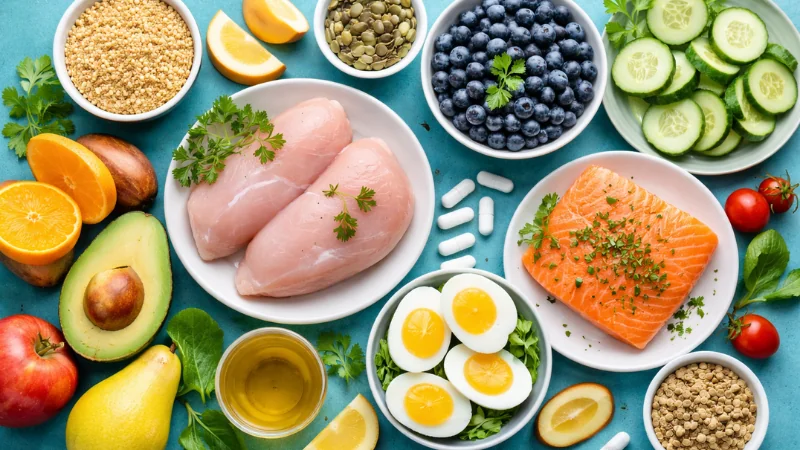
Fresh meats, vegetables, fruits, and simple whole foods are often easier for the body to tolerate.
You can review examples in this list of low histamine foods.
Eating fresher foods helps reduce the amount of histamine the body has to process.
4. Support Metabolism and Digestion
Histamine reactions often worsen when digestion and metabolism are under stress.
If foods are not being properly digested or metabolized, inflammation in the gut can increase. This can make the immune system more reactive and increase the likelihood of histamine responses.
Eating in a way that supports your metabolism and digestive function can help reduce inflammatory reactions throughout the body.
5. Address Mast Cell Triggers
Mast cells are immune cells responsible for releasing histamine during allergic reactions.
When mast cells become overly reactive, histamine release can increase and symptoms may worsen.
You can learn more about mast cell activity in this article on mast cell activation syndrome.
When mast cell activity becomes more balanced, many people experience fewer histamine-related symptoms.
Foods That May Help Reduce Histamine Reactions
Diet can significantly influence how much histamine the body is exposed to.
Some foods naturally contain higher levels of histamine, particularly those that are aged, fermented, or stored for longer periods.
Reducing these foods temporarily may help calm symptoms.
At the same time, focusing on fresher foods that are easier for the body to digest can help reduce inflammatory reactions.
This approach often helps lower the overall histamine load while supporting gut health and immune balance.
Supporting the Body Long Term
While reducing histamine exposure can help manage symptoms, long-term allergy relief usually involves improving how the body regulates inflammation.
Histamine reactions are often influenced by several underlying factors including:
- Gut health
- Mast cell activity
- Metabolic health
- Stress and nervous system balance
- Inflammatory load from diet and environment
When these systems are functioning well, the immune system tends to become far more resilient.
If you want to start supporting your metabolism and improving how your body handles inflammation, take the Metabolic Type Quiz to discover which eating style works best for your body.
My Final Thoughts on Natural Allergy Relief
Natural allergy relief is rarely about one single remedy.
Most allergy symptoms are connected to how the body regulates inflammation, immune responses, and histamine levels.
When the systems responsible for metabolism, gut health, and immune balance are functioning well, the body is often much better able to tolerate environmental triggers.
If you’ve been dealing with persistent allergy symptoms, supporting your body’s ability to process histamine and regulate inflammation can make a meaningful difference.

Metabolic Type Meal Plan Results
Eating Healthy But Not Seeing Results?
The solution is eating for your unique metabolic type - When you eat foods that match your Metabolic Type you can lose weight and feel great 3 times faster. Take the Metabolic Type Quiz to discover your type and the meal plan that's best for you.
TAKE THE QUIZSmall changes in nutrition and lifestyle can often help the body become much more resilient.
If you liked this article, you’ll also like these posts
- Histamine Intolerance
- Histamine Allergy Symptoms
- High Histamine Foods
- Low Histamine Foods
- DAO Supplements
- MCAS

Dr. Christina Carlyle is a Doctor of Functional Medicine, FDN-P, Nutritionist, & Trainer who transformed her body and health – getting off 7 medications and losing 40 pounds for good. Now, she helps other women get happy, healthy, and fit – quickly & naturally – without any BS